If your Corona lot is in a Fire Hazard Severity Zone, build retaining walls from noncombustible materials such as block, concrete or stone, plan for erosion control and drainage before the first winter after any fire, and rebuild damaged walls to engineered plans where slopes are steep. A retaining wall is not a building, so it is not governed by the fire-resistant building rules, but the right material and drainage make a big difference on fire-zone hillsides.
Corona and wildfire
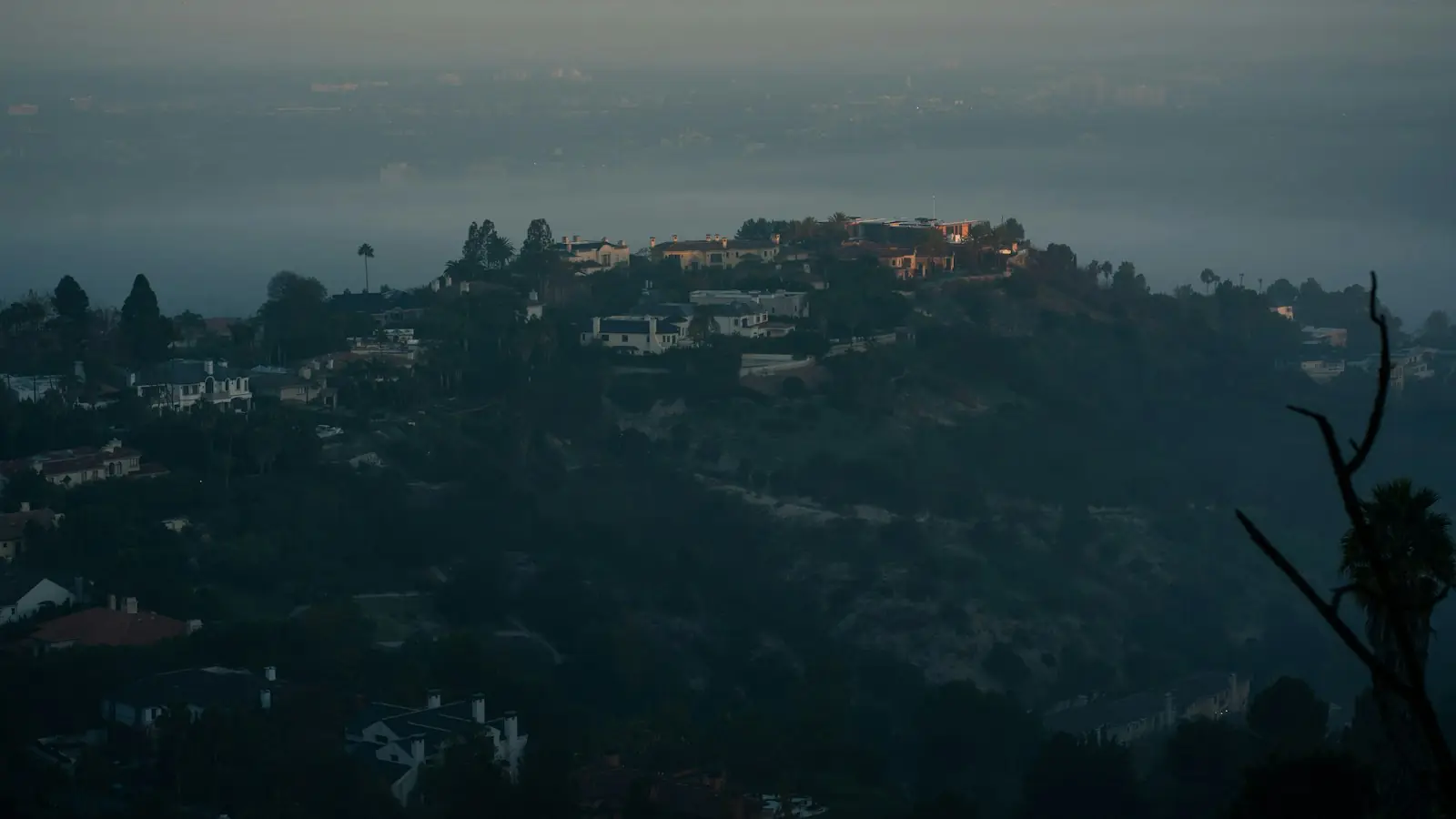
Corona’s southern and western neighborhoods sit against the Santa Ana Mountains and the Cleveland National Forest. Fire has reached the city before. The 2008 Freeway Complex Fire started near the 91 Freeway and Green River in Corona and spread west into Yorba Linda, Anaheim Hills and Brea. CAL FIRE documents the incident and its losses, including 117 homes destroyed in Yorba Linda. In 2017, the Canyon Fire and Canyon Fire 2 burned along the Corona and Anaheim edge.
Check your fire hazard zone
The City publishes Fire Hazard Severity Zone maps, and the state fire marshal maintains statewide fire hazard severity zone information. If your lot is in a Very High zone, the City’s handouts apply fire-resistant construction rules to buildings, and fuel-modification requirements may apply to your landscaping.
Material choice: noncombustible walls
Retaining walls are not buildings under the fire code, but material still matters. Block, poured concrete and stone do not burn. Timber walls do, and a burning timber wall can carry fire toward a house or fence and collapse afterward, releasing the soil it held. On fire-zone lots, we recommend reinforced block, concrete or stone for every structural wall.
After a fire: erosion comes next
Fire strips slopes of the vegetation that holds soil and slows water. Burned soil can also shed water instead of absorbing it. In the first rainy seasons after a fire, burned slopes erode quickly and can send mud and debris downhill. The priorities after a fire are:
- Divert water away from burned slopes with swales, berms and pipe.
- Protect the surface with straw wattles, erosion-control blankets and mulch.
- Clear drains, including weep holes, brow ditches and area drains.
- Assess walls for fire damage and movement.
- Plan permanent repairs with engineering where slopes are steep.
The National Weather Service office in San Diego, weather.gov/sgx, issues forecasts and alerts for burn-scar flooding in our area. Our slope stabilization page covers the longer-term work.
Rebuilding fire-damaged walls
Intense heat can damage concrete and masonry, causing spalling and weakening steel. Timber walls may be gone entirely. Before rebuilding, we assess what remains and whether the slope has moved. Rebuilding often involves:
- Removing damaged walls and debris.
- A soils report and engineered plans for tall walls or moved slopes.
- New walls with full drainage.
- Erosion control and fire-wise planting on disturbed slopes.
If a wall is damaged but standing, see our retaining wall repair page for how we decide between repair and replacement.
Combo walls and wind
Fire in our area is driven by Santa Ana winds. Block fences on top of retaining walls add wind load. Corona’s combo standard covers up to a 7-foot block wall over a 2-foot retaining wall; beyond that, engineering is required. See our article on combo walls.
Landscaping with walls
Terraced walls can create breaks in fuel and give you flat areas for low, fire-wise planting. Gravel, hardscape and well-irrigated plants near the house, with lower-fuel planting further out, fit well with stone and block terraces. See terracing a sloped backyard.
Insurance and documentation
After a fire, document walls and slopes with dated photos before cleanup begins. Many homeowners policies treat retaining walls and earth movement differently from the house itself, so ask your insurer what is covered. A written description of wall damage from a contractor or engineer can help with any claim.
Permits after a fire
Rebuilt walls follow the same permit rules as new walls. In Corona, walls over 2 feet from the top of the footing, or with a surcharge, need a permit. Ask the City about any expedited rebuild processes after a declared disaster.
Frequently asked questions
Do fire-resistant building rules apply to retaining walls?
Not directly. Corona’s fire hazard zone handouts apply fire-resistant construction rules to buildings, but noncombustible walls of block, concrete or stone are still the sensible choice on fire-zone lots.
How soon after a fire should I address my slope?
Before the first winter rains. Burned slopes erode quickly, so temporary erosion control and water diversion should go in as soon as it is safe to work.
Can a fire-damaged block wall be saved?
Sometimes. Heat can spall masonry and weaken steel, so the wall needs assessment. Lightly damaged walls can sometimes be repaired; heavily damaged walls should be rebuilt.